

If you’re in a land development dispute, you probably don’t want it to drag on for a long time. It’s usually in most parties’ best interest to get disagreements resolved quickly so everyone can either return to what they were doing or get illegal activities stopped before they can cause further harm.
In most cases, the most efficient way to resolve a land development dispute is to research the relevant legal issues, get a survey done if there are any questions about the boundaries or zoning, and talk to a lawyer. We’ll go into more detail below about how to resolve different types of development and property disputes.
Property Boundary Disputes
Under Revised Code of Washington (RCW) 58.04.007, there are two main procedures that allow landowners to resolve disputes over a boundary point or line. The first procedure is to come to an agreement with the other parties and sign a document that records the agreed-upon boundary. The second procedure is to bring the matter to the court.
To avoid litigation, all of the affected landowners must sign a document that includes a survey map and an appropriate legal description of the boundary as agreed. You may be able to negotiate or mediate with the other parties to come to an agreement. The resulting document should then be recorded with the relevant county’s real estate records, and it will be legally binding.
If the landowners cannot agree on the boundary, they may bring a legal suit to determine the boundary. Most disputes can be settled without a trial, so it’s still a good idea to proceed with settlement in mind.
Zoning Disputes
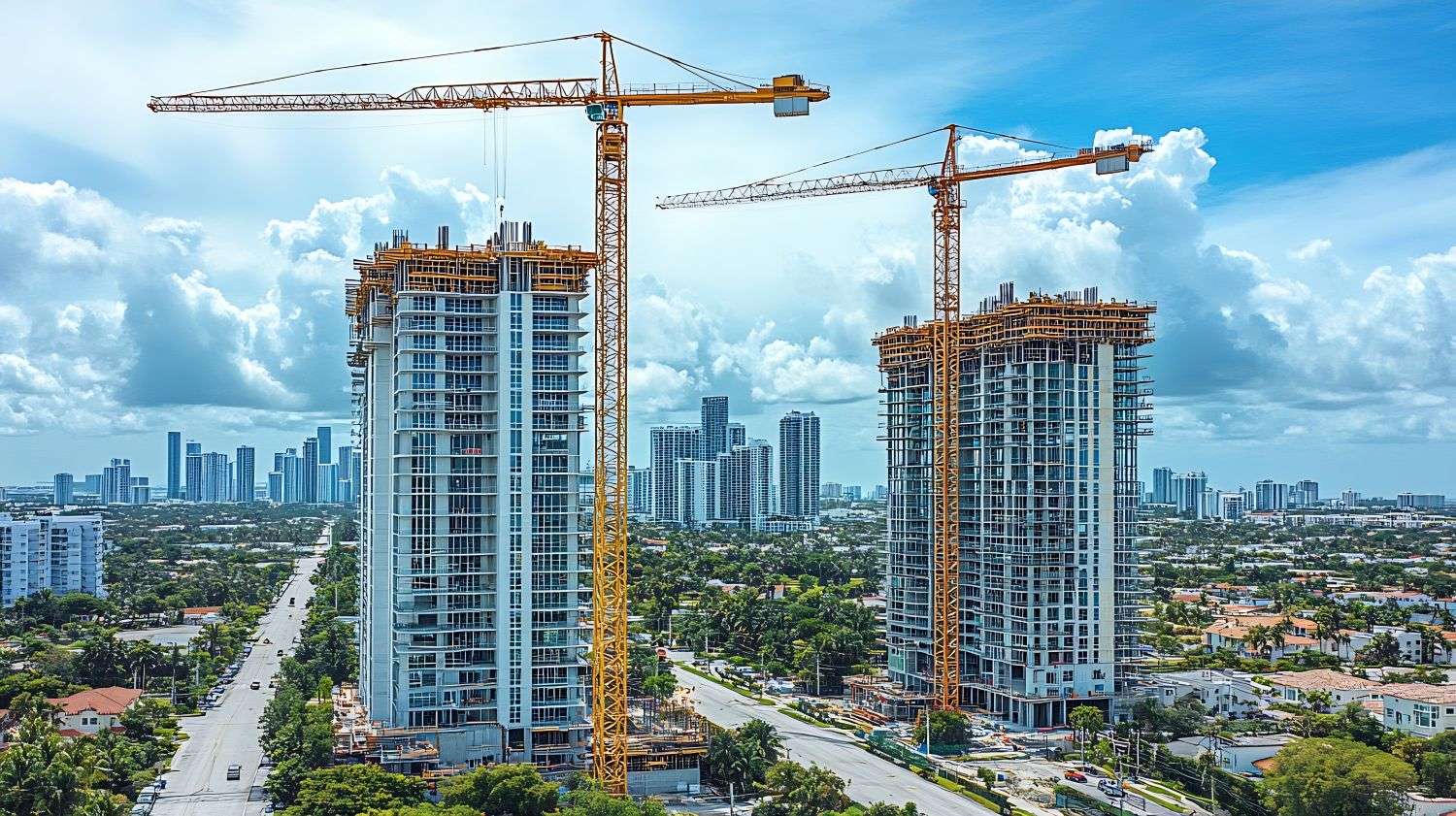
Land development disputes can easily arise when two or more zoning categories overlap, or when an area is divided into sub-zones. Different parties may think different sets of regulations apply to the property, putting development plans in legal jeopardy.
To resolve a zoning-related land development dispute, you will want to gain a strong understanding of the zoning laws in question and get the land professionally assessed. You can then make a plan to resolve the dispute based on the information you learn. Many zoning disputes are resolved through negotiation with the help of an attorney.
Disputes Over Pollution
Industrial and commercial development plans often lead to concerns about emissions, spills, illegal dumping, illegal water use, noise, and other environmental impacts. Local residents or other nearby property holders may have concerns about how the plans will affect their quality of life.
If you are concerned about pollution caused by someone else, you can report the issue to the Washington State Department of Ecology (or 911 if there’s an emergency). The Department of Ecology offers education, technical assistance, and cooperation-based programs to help residents find resolutions. You may be able to bring an environmental lawsuit if you believe your interests have been adversely affected by the pollution.
If you are a small business or organization, you may be able to get free assistance from the Pollution Prevention Assistance (PPA) program. This program helps businesses that qualify as small-quantity generators find and fix potential pollution issues. If the dispute looks like it will escalate, you will need to contact a land use lawyer for assistance.
Property Access Disputes

We often see disputes when property owners disagree about shared access to an area, rights of way, or easements. If you believe your neighbor is wrongfully using your land, you can seek an injunction to prevent them from continuing to use the disputed area. You may also be able to seek monetary compensation for any damage to the property or trees that were removed.
Another common type of property access dispute comes from Washington State’s Adverse Possession laws, which may cause a landowner to lose possession of a piece of land they’re not using. Adverse Possession is based on the idea that someone who uses land openly, continuously, and exclusively for a long time should be able to claim ownership, even if they didn’t formally purchase the land.
For instance, let’s say your neighbor built a fence that juts out onto your property. If they mow the grass and plant flowers there, and you don’t use the strip of land on the other side of the fence or say anything about their usage of it for ten years, you no longer own that strip of land. On the other hand, if you give your neighbor written permission to use that land before the ten years have passed, you may be able to avoid the Adverse Possession standard.
We recommend talking to a land use or real estate lawyer about your options for avoiding or dealing with a property access dispute.
Need Help Resolving Your Land Development Disputes?
The Anderson Hunter Law Firm helps individuals, builders, developers, lenders, local governments, and citizen groups navigate land use disputes in western Washington. Our experienced land use lawyers have a wealth of local knowledge. We can help you with all aspects of due diligence, planning permitting, hearings, and appeals.
If you need a land development dispute lawyer, contact us today.